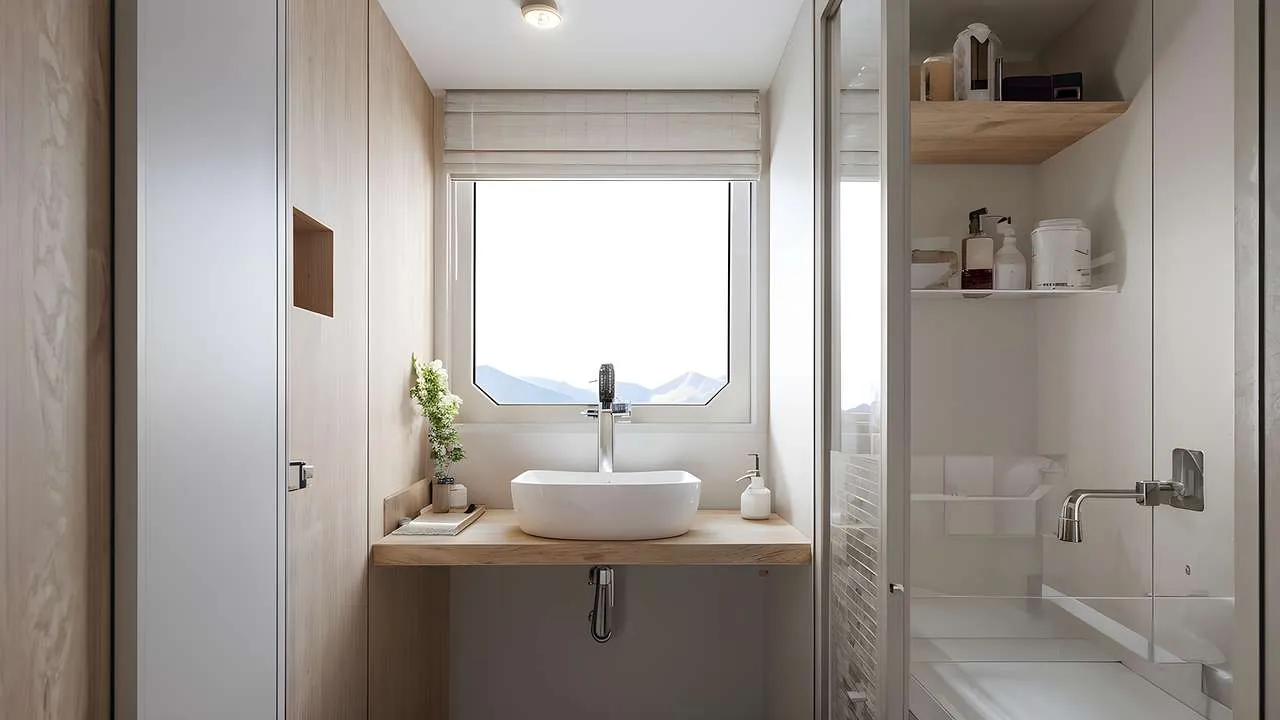
Introduction: Making the most of a small bathroom
Small bathroom ideas can transform a cramped space into a calm, efficient room. With careful planning and high-quality materials, a compact bathroom can feel larger, brighter, and more functional. In this guide, drawn from expert design practice and practical DIY testing, you'll find layout strategies, storage hacks, lighting, and finishes that maximize every inch while preserving a cohesive look.
Smart layout ideas for tight spaces
For small bathrooms, layout is everything. Start with measuring floor area and door swing, and consider a pocket or sliding door to reclaim floor space. A corner shower with a glass enclosure visually expands the room, while a recessed vanity keeps counter space open. If you prefer a tub, a compact 48-inch model with a shower splash can work without crowding the room.
Vertical and wall-mounted solutions
Floating vanities, wall-hung toilets, and towel racks mounted high on the wall free up floor space and create the illusion of more room. Use slim-profile accessories and shower niches at eye level for easy reach of daily items.
Zones and flow
Design zones so wet and dry areas are clearly separated, reducing slipping hazards and making maintenance simpler. A single linear drain, if feasible, can simplify the floor plan and improve drainage in compact showers.
Color, materials, and finishes that enlarge space
Light, neutral tones with a few bold accents create an open feel. Matte porcelain, large-format tiles, and glass reduce visual clutter. Mirror fronts, reflective surfaces, and clear glass panels bounce light around the room. For durability, choose porcelain or ceramic tiles rated for moisture and slip resistance.
Storage solutions that truly free up space
Smart storage is essential in a small bathroom. Consider recessed wall niches, tall narrow cabinets, and built-in medicine cabinets. Over-the-toilet shelves or a shallow linen cabinet can store essentials without crowding the floor. Use vertical space with hooks, magnetic strips, and medicine cabinet mirrors to keep the countertop clear.
Fixtures, hardware, and lighting
Choose compact fixtures: a 24–28 inch vanity, slim-profile faucets, and a flush toilet with an elongated bowl if space allows. Lighting should be layered: ceiling ambient, task lighting around the mirror, and moisture-rated wall sconces for softer focus. A skylight or window can add natural light if available.
Budgeting, durability, and professional tips
Plan with a realistic budget and prioritize investments in durable, waterproof materials. In bathrooms, quality waterproofing, proper sealants, and professional installation reduce long-term maintenance costs. If DIY, start with demo, then hire licensed trades for plumbing and electrical where required to meet safety codes and EEAT standards.
Comparison table: layout and material options
| Option | Pros | Cons | Best For |
|---|---|---|---|
| Sliding shower door | saves clearance, modern look | track maintenance | tight showers |
| Pocket/Wall-hung vanity | more floor space, easy cleaning | higher install cost | minimalist styles |
| Large-format tiles | fewer grout lines, airy feel | requires professional install | open bathrooms |
| Recessed storage | invisible storage, reduces clutter | limited depth | small spaces |
Choosing the right combination depends on your priorities: space, light, and how you use the room. This table highlights typical trade-offs to help you decide which elements deserve priority during renovation planning.
Summary: This guide covers layout optimization, storage hacks, lighting, finishes, and budgeting for small bathroom ideas. By combining vertical space, compact fixtures, and light-reflective materials, you can create a functional, visually expansive bathroom while maintaining durability and cost awareness. Always verify measurements and consult licensed professionals for plumbing and electrical work to uphold safety and quality.